





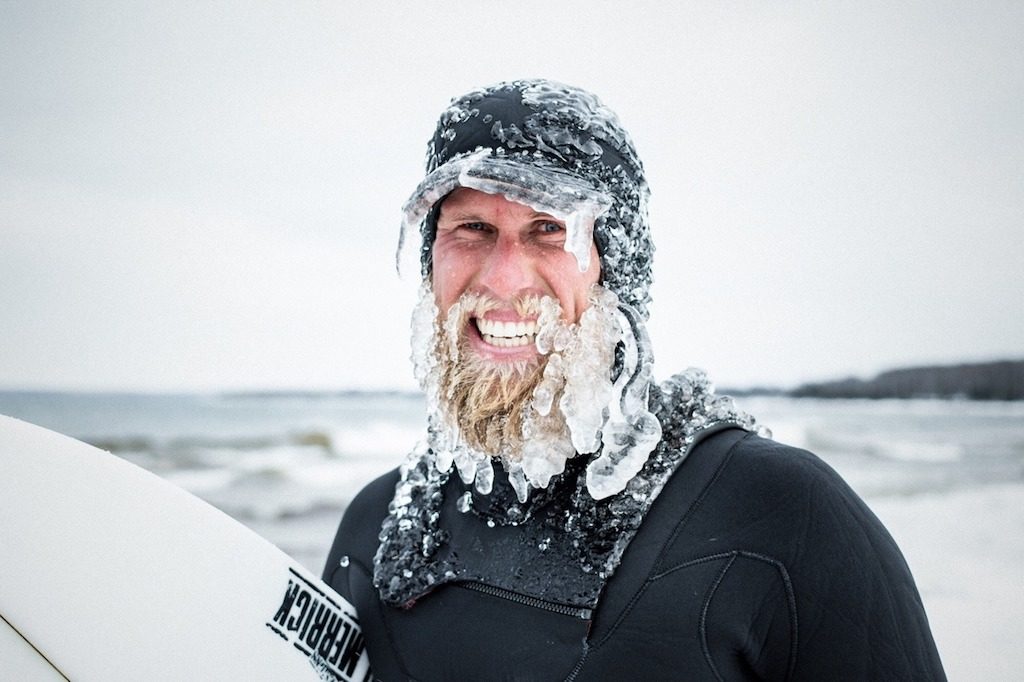
Warm Surfing in Winter
Winter surfing is magical. With the right wetsuit, you'll be warm and comfortable all season long.
Thickness and Warmth
Winter water in the Netherlands is cold. From November to February, we recommend a minimum of 5/4mm (5mm body, 4mm arms/legs). For very cold water (below 10°C), choose 6/5mm or 7/6mm. The numbers indicate the thickness in millimeters.
Thicker is warmer, but it also restricts your freedom of movement. In 2026, many premium brands will use advanced neoprene material that is warmer with less thickness. This is more expensive but much better.
Cut and Fit
A good winter wetsuit should fit snugly without restricting your movement. This prevents water infiltration. Water between your body and the wetsuit is warmed by your body heat – which is why the fit must be perfect.
Choose a full suit with a hood in winter. A lot of body heat is lost through your head. Separate hoods are also available for extra insulation. For the most extreme conditions, add gloves and booties.
Material Options
Traditional neoprene is good, but limestone neoprene is warmer and more durable. Thermally lined wetsuits have extra insulation on the inside. In 2026, brands are also experimenting with graphene-coated materials that retain heat better.
Make sure your wetsuit is flexible around your armpits and inner legs where you have a lot of movement. Reinforced areas on your shoulders and chest help maintain shape throughout the season.

Hart Beach social media
Follow us and receive the latest updates from the surf shop, surf school, and restaurant
@hartbeachsurf

Customer service
It's not really free, we've just priced it into the products.

Fast Free Shipping
Get free shipping on orders of €150 or more

14-Day Return Policy
You can always return products you have purchased

Secure payment
Your payment information is processed securely.