





Winter Surfing in the Netherlands: Cold, Powerful, and Awesome
The North Sea in winter is a world apart. Fewer crowds in the water, more powerful waves, and an intense connection with nature. With the right knowledge and gear, winter surfing in the Netherlands is one of the most rewarding experiences a surfer can have. This guide tells you everything you need.
The Right Wetsuit for the North Sea
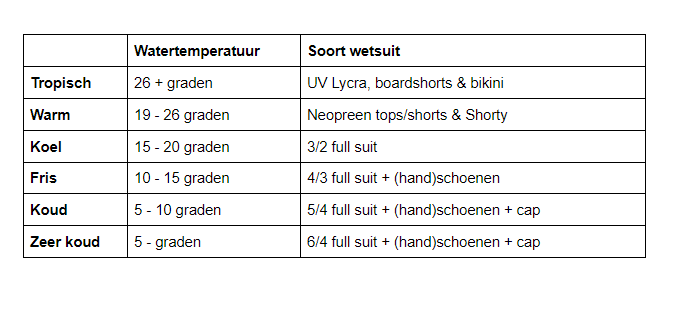
The average water temperature of the North Sea drops to 4 to 8°C in winter. That sounds intense — and it is — but with the right wetsuit, you'll be fully equipped for the coldest sessions. The rule of thumb for wetsuit thickness based on water temperature:
Modern wetsuits from 2026, with their thermal linings, graphene technology, and bio-based neoprene, are warmer than ever with minimal thickness. Brands like O'Neill, Vissla, Patagonia, and Rip Curl offer models that guarantee optimal freedom of movement even in icy cold temperatures.
Accessories: Boots, Gloves, and Cap
A good wetsuit is the foundation, but the right accessories make the difference between a warm, enjoyable session and one where you want to head back to the shower after just 20 minutes.
Surf Boots: Essential for water temperatures below 12°C. Choose 5mm boots for the Dutch winter — round toe for more feel, split toe for more warmth. Ensure a good fit: boots that are too large allow water to circulate and won't keep you warm.
Gloves: At temperatures below 8°C, gloves become indispensable. The choice: 5-finger gloves for maximum feel and grip, lobster gloves for a good balance between warmth and mobility, or mittens for the absolute warmest option in extreme cold. In the Netherlands, 5mm gloves are sufficient for almost the entire winter season.
Neoprene Cap: The head loses a tremendous amount of body heat. A 3mm or 5mm surf cap will make your session significantly warmer and also protect your ears from surfer's ear. Win-win.
Winter Waves in the Netherlands: When and Where
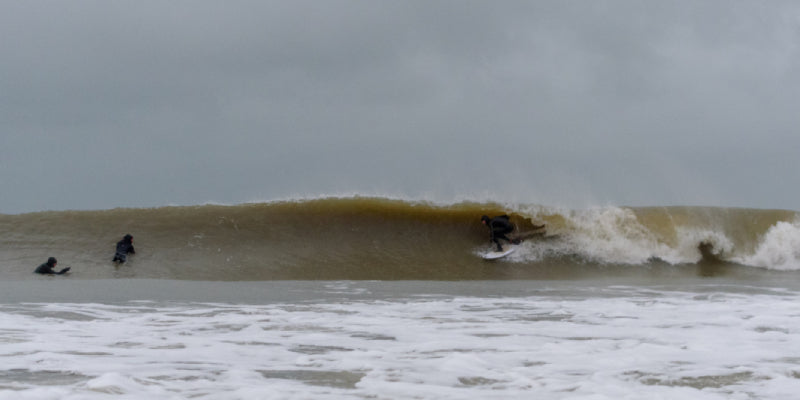
The good news for Dutch surfers: the best waves on our coast actually occur in autumn and winter. Atlantic storms generate powerful groundswell that reaches the North Sea as organized sets of waves — much better than the windy, chaotic summer conditions.
The best spots in Scheveningen for winter surfing depend on wind and direction. With northwesterly to westerly groundswell and an easterly wind (offshore), almost all spots along the coast of Scheveningen can produce excellent waves. Always check our live webcam and the surf forecast for current conditions before heading out.
A practical advantage of winter surfing: the water is much calmer. The lineups are short, the atmosphere is intimate, and the people who are in the water are generally experienced and respectful surfers. Perfect for progression.
Safety during Winter Surfing
Safety is extra important when winter surfing. Never surf alone in extreme conditions. Make sure someone on the beach or at home knows where you are and when you are expected back. Always wear a leash — a runaway board is a serious hazard in winter, especially in cold and less crowded areas.
Hypothermia is a real risk. Know the signs: shivering, problems with muscle coordination, confusion. If you come out of the water and don't feel well — immediately warm yourself up. A warm shower after your session is not only pleasant, but also important for your recovery.
At Hart Beach, you can visit our restaurant for a warm meal or drink after your session. And our surf school offers lessons and gear rental all year round — even in winter!

Join the Crew
Follow us and receive the latest event updates and product launches on our gram
@hartbeachsurf

Customer service
It's not really free, we've just priced it into the products.

Fast Free Shipping
Get free shipping on orders of €150 or more

14-Day Return Policy
You can always return products you have purchased

Secure payment
Your payment information is processed securely.